
Wellness Supplements Guides
Best Supplements for Women’s Energy: A Complete Guide to Fighting Fatigue Naturally

Jun
This post was written by Pharm. Zainab Babalola Wellness Pharma June 2027
Introduction
Constant tiredness is one of the most common complaints women bring to doctors, yet it’s often dismissed as just “part of life.” Between work demands, family responsibilities, hormonal shifts, and disrupted sleep, persistent low energy can feel normal, even when it isn’t. The right supplements for women’s energy can help close nutritional gaps that contribute to fatigue. However, knowing which ones actually make a difference, and which are mostly marketing, takes some unpacking.
This guide breaks down the supplements most strongly linked to energy levels in women, why deficiencies happen more often in women than men, how to choose a product that’s worth the money, and what red flags to watch for.
Why Women Are More Prone to Low Energy and Nutrient Deficiencies
Several factors make energy related nutrient gaps more common in women than in men.
Menstruation causes regular blood loss, which depletes iron stores over time, even in women who eat iron rich foods.
Pregnancy and breastfeeding dramatically increase the body’s demand for iron, B vitamins, vitamin D, and magnesium.
Hormonal fluctuations during the menstrual cycle, perimenopause, and menopause affect sleep quality, mood, and how efficiently the body uses energy.
Restrictive or low calorie diets, which women pursue more often than men on average, can lead to shortfalls in B12, iron, and vitamin D.
Higher rates of thyroid disorders in women can cause fatigue that supplements alone won’t fix. This is worth ruling out with a doctor before assuming a supplement will solve persistent exhaustion.
Because of this, low energy in women is rarely caused by a single factor, and supplements work best as part of a broader approach that includes diet, sleep and when fatigue is severe or ongoing, a conversation with a healthcare provider.
Evidence Backed Supplements for Women’s Energy
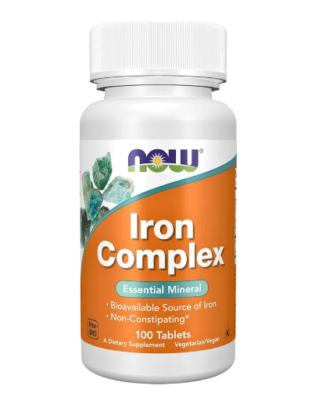
Iron deficiency is the most common nutrient deficiency in women worldwide, and it’s also one of the most common preventable causes of fatigue. Iron is essential for producing hemoglobin, the protein in red blood cells that carries oxygen to tissues and muscles. When iron is low, the body can’t deliver oxygen efficiently, leading to tiredness, weakness, and difficulty concentrating, even before anemia shows up on a blood test.
Women with heavy periods, those who are pregnant, and those following vegetarian or vegan diets are at the highest risk. However, iron is one supplement that should not be taken just in case. Excess iron can cause digestive issues and, over time, more serious problems, particularly in people who don’t actually need it. A simple blood test, checking ferritin and hemoglobin levels, can confirm whether supplementation is appropriate.
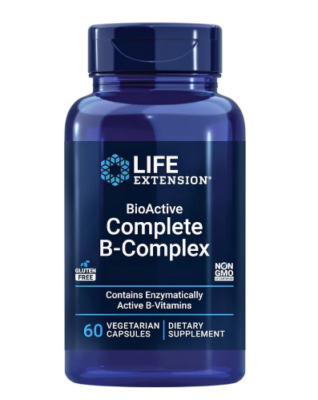
B vitamins are directly involved in converting food into usable energy at the cellular level. Vitamin B12, in particular, is essential for red blood cell formation and nervous system function, and a deficiency can cause fatigue, brain fog and even mood changes. B12 deficiency is especially common in women over 50, since the body’s ability to absorb B12 from food decreases with age; in vegetarians and vegans, since B12 is found almost exclusively in animal products; and in women taking certain medications, including some diabetes and acid reflux drugs. Vitamin B6 also plays a role in energy metabolism and has been studied for its effect on mood and PMS related symptoms, which can indirectly affect energy levels.
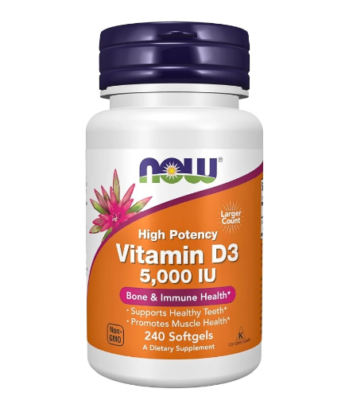
Vitamin D deficiency is widespread. Studies suggest a large share of adults, particularly those who spend most of their time indoors, have insufficient levels. While vitamin D is best known for bone health, it also plays a role in muscle function and immune health and low levels have been associated with fatigue and low mood in multiple studies.
Because vitamin D is produced by the skin in response to sunlight, women who cover their skin for cultural or religious reasons, live in areas with long winters, or work indoor jobs with little sun exposure are at higher risk of deficiency.
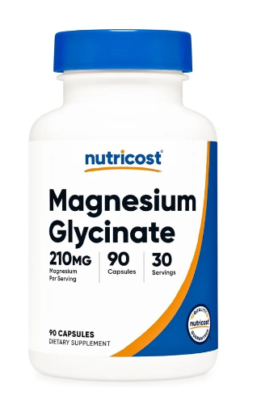
Magnesium is involved in over 300 enzymatic reactions in the body, including those that produce ATP, the molecule cells use directly for energy. Low magnesium intake has been linked to muscle cramps, poor sleep quality, and increased stress response, all of which can compound into daytime fatigue.
Many women don’t get enough magnesium from diet alone, particularly those who consume a lot of processed foods, since refining grains removes much of their natural magnesium content. Magnesium also has a calming effect on the nervous system, which is why some women find it helpful for both sleep and stress related tiredness.
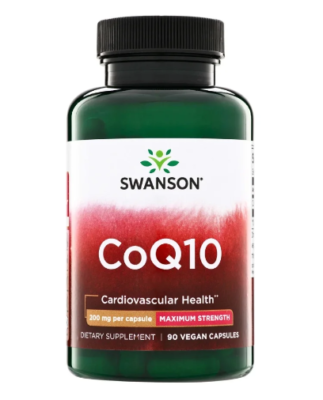
CoQ10 is a compound your cells use to produce energy, and levels naturally decline with age. While research is still developing, some studies have explored CoQ10’s role in reducing fatigue particularly in people with certain chronic conditions or those taking statin medications which can lower natural CoQ10 levels.CoQ10 isn’t a first line recommendation for most healthy women but it’s worth knowing about especially for women over 40 or those on cholesterol medication who want to discuss options with their doctor.
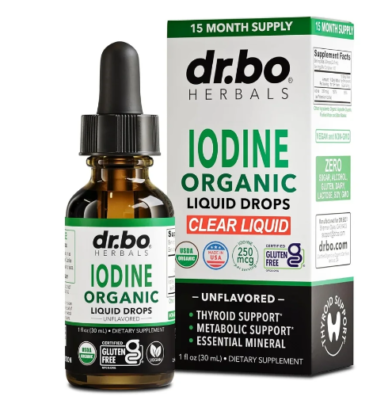 6 Iodine
iodine is essential for thyroid hormone production and the thyroid plays a central role in regulating metabolism and energy. Mild iodine deficiency can contribute to fatigue and is more common than many people realize, particularly among women who have reduced their salt intake or avoid iodized salt, dairy, and seafood.
That said, iodine is a case where more is not better. Excess iodine can also disrupt thyroid function. This is one to get right through diet first and supplement cautiously, ideally with medical guidance.
Supplements That Are Often Marketed for Energy
Not every energy supplement on store shelves is backed by solid research. A few categories worth approaching with healthy skepticism include the following.
Vitamin B12 injections or mega doses for non deficient people: if your B12 levels are normal, extra B12 is unlikely to give you more energy, since your body simply excretes what it doesn’t need.
Proprietary energy blends that combine small amounts of many ingredients, often including caffeine or guarana, without disclosing individual doses: these can feel effective short term simply because of the stimulant content not because they’re addressing an underlying deficiency.
High dose vitamin C for energy: while vitamin C supports immune function and iron absorption, there’s limited evidence it directly boosts energy in people who aren’t deficient
How to Choose a Quality Energy Supplement
When evaluating supplements for women’s energy, a few practical checks can help separate useful products from marketing.
First, look for single nutrient or targeted formulas rather than energy complexes with dozens of ingredients in tiny, undisclosed amounts.
Second, check for third party testing seals, such as USP, NSF, or Informed Choice which verify that a product contains what the label claims and is free from contaminants.
Third, match the dose to established guidelines. For example, the recommended dietary allowance for iron in adult women is significantly higher than in men due to menstrual blood loss. A product with a negligible dose isn’t likely to do much.
Fourth, be wary of proprietary blends. If a label doesn’t disclose how much of each ingredient is in the formula, it’s difficult to know whether it’s a meaningful dose or a token amount.
Finally, consider your actual diet first. Someone who already eats iron rich foods, dairy and fortified cereals may need a very different supplement than someone following a plant based diet.
When Supplements Aren’t the Answer
It’s worth being direct about this. Persistent fatigue that doesn’t improve with diet, sleep, and basic supplementation can be a sign of something that needs medical attention. Thyroid disorders, anemia, sleep apnea, depression and chronic fatigue syndrome can all present primarily as low energy. Supplements are not a substitute for diagnosis and taking high doses of vitamins or minerals just in case can occasionally cause more harm than the fatigue itself; excess iron and excess vitamin A are two notable examples.
If fatigue is severe, sudden or accompanied by other symptoms such as unexplained weight changes, heavy periods, persistent low mood, or shortness of breath, a conversation with a doctor should come before a trip to the supplement aisle.
Frequently Asked Questions
What is the best vitamin for women’s low energy?
There’s no single best vitamin, because fatigue can stem from several different deficiencies. Iron, vitamin B12, and vitamin D are the three most commonly linked to low energy in women, and a blood test can identify which, if any, are actually low for you.
Can iron supplements give you more energy?
For women with iron deficiency, correcting low iron levels can meaningfully improve energy, often within a few weeks of consistent supplementation. For women with normal iron levels, taking iron supplements is unlikely to provide an energy boost and may cause digestive side effects.
Is it safe to take multiple energy related supplements together?
Many of these nutrients are commonly combined in women’s multivitamins but taking multiple high dose individual supplements together increases the risk of exceeding safe upper limits for certain nutrients, particularly iron, vitamin A, and vitamin D. Checking total daily intake across all supplements including any multivitamin is important.
How long does it take for energy supplements to work?
This varies by nutrient and by how significant the deficiency was. Correcting a vitamin B12 or iron deficiency can take several weeks to a few months of consistent supplementation before energy levels noticeably improve since the body needs time to rebuild its stores.
Should I get tested before taking energy supplements?
For iron, vitamin D, and vitamin B12 specifically, testing is the most reliable way to know whether supplementation is necessary and at what dose. These are also the three nutrients where both deficiency and excess can cause problems.
Conclusion
Fatigue in women is often multifactorial, but nutrient deficiencies particularly in iron, vitamin B12, vitamin D and magnesium, are common treatable contributors that are worth ruling out. The most effective approach isn’t reaching for the flashiest energy formula on the shelf but identifying which specific nutrients you may be low in, ideally through testing, choosing third party tested products with meaningful doses and pairing supplementation with the basics: a nutrient dense diet, consistent sleep, and movement. When fatigue persists despite these steps, it’s a signal to talk to a healthcare provider rather than to keep adding more supplements.
You can speak to a pharmacist HERE
Medical Disclaimer: This article is for informational purposes only and is not a substitute for professional medical advice. Consult a healthcare provider before starting any new supplement especially if you are pregnant, breastfeeding or managing a health condition.
References
- National Institutes of Health Office of Dietary Supplements. Iron Fact Sheet for Health Professionals.
- National Institutes of Health Office of Dietary Supplements. Vitamin B12 Fact Sheet for Health Professionals.
- National Institutes of Health Office of Dietary Supplements. Vitamin D Fact Sheet for Health Professionals.
- National Institutes of Health Office of Dietary Supplements. Magnesium Fact Sheet for Health Professionals.
- National Institutes of Health Office of Dietary Supplements. Iodine Fact Sheet for Health Professionals.
- World Health Organization. Nutrition and Micronutrient Deficiency Resources.
- Centers for Disease Control and Prevention. Nutrition for Women.
- Harvard T.H. Chan School of Public Health. The Nutrition Source.
- Mayo Clinic. Fatigue: Causes and Diagnosis.
- National Health Service (NHS). Vitamins and Minerals Guide.
- Kennedy DO. B Vitamins and the Brain: Mechanisms, Dose and Efficacy. Nutrients.
- Lopresti AL, et al. A Review of the Effects of Vitamin D on Fatigue. Nutrients.
- Uwitonze AM, Razzaque MS. Role of Magnesium in Vitamin D Activation and Function. Journal of the American Osteopathic Association
