Wellness Supplement's Guide
Best Vitamins for 1-Year-Olds in Nigeria (2026): Top Toddler Vitamins, Vitamin D Drops and Iron Supplements
Jun
Introduction
Turning one is a major milestone in your child’s growth and development. It is also the stage when many parents begin asking an important question: what are the best vitamins for 1-year-olds?
As babies transition from breast milk or formula to family foods, nutritional gaps can sometimes develop. This is especially true for picky eaters or toddlers who consume limited varieties of fruits, vegetables, proteins and fortified foods.
Many parents searching for the best vitamins for 1-year-olds in Nigeria want to know whether their child needs vitamin D drops for toddlers, an iron supplement for toddlers, or a multivitamin for a 1-year-old. The answer depends on your child’s diet, growth, and overall health.
While most healthy toddlers can obtain essential nutrients from a balanced diet, vitamin D and iron remain two of the most common nutrients that children may not get enough of. This comprehensive guide explains everything parents need to know about toddler vitamins, including vitamin D requirements, iron supplementation, safety considerations, and the best vitamin options for 1-year-olds.
Best Vitamins for 1-Year-Olds in Nigeria
Many Nigerian parents worry about whether their toddlers are receiving enough vitamins and minerals during the transition from breast milk or formula to family foods. While a balanced diet should always be the primary source of nutrition, some children may benefit from supplementation.
When choosing the best vitamins for 1-year-olds in Nigeria, parents should focus on nutrients that support healthy growth and development, including:
- Vitamin D for strong bones and teeth.
- Iron for brain development and healthy blood production.
- Zinc for immune system support.
- Vitamin C for improved iron absorption.
The best toddler vitamins are those specifically formulated for infants and toddlers. Avoid products intended for older children, as they may contain inappropriate dosages.
Before starting any toddler vitamins in Nigeria, consult your pediatrician to determine whether supplementation is necessary based on your child’s dietary intake and health history.
Best Vitamins for 1-Year-Olds: Comparison Guide
| Vitamin Type | Best For | Key Nutrients |
| Vitamin D Drops | Bone development | Vitamin D3 |
| Liquid Multivitamin | Daily nutritional support | Vitamins A, C, D and E |
| Iron Supplement | Iron deficiency support | Iron and Vitamin C |
| Vegan Toddler Multivitamin | Plant-based diets | Vitamin B12, Iron and Vitamin D |
| Multivitamin with Zinc | Immune support | Zinc, Vitamins A, C and D |
Best Vitamins for a 1-Year-Old Picky Eater
Many parents look for vitamins for a 1-year-old picky eater because toddlers often go through phases where they refuse certain foods or entire food groups.
A picky eater may be at greater risk of nutrient gaps if they consistently avoid:
- Meat, fish and eggs. • Fruits and vegetables. • Dairy products. • Iron-fortified cereals.
If your child is a picky eater, discuss their eating habits with a pediatrician before introducing supplements. In some cases, a multivitamin for a 1-year-old may help fill nutritional gaps. However, supplements should never replace healthy eating habits.
Common nutrients evaluated in picky eaters include:
- Vitamin D. • Iron. • Zinc. • Vitamin B12. • Calcium.
The best vitamins for 1-year-olds who are picky eaters are usually liquid vitamins for toddlers because they are easier to administer and provide age-appropriate dosing.
Common Nutritional Deficiencies in Nigerian Toddlers
Although many Nigerian children receive adequate nutrition, some toddlers may be at risk of deficiencies due to selective eating habits, restricted diets, or certain health conditions.
Common nutrient concerns include:

Vitamin D Deficiency
Vitamin D supports bone development, immune health, and calcium absorption. Children who spend limited time outdoors may benefit from vitamin D drops for toddlers.
Iron Deficiency
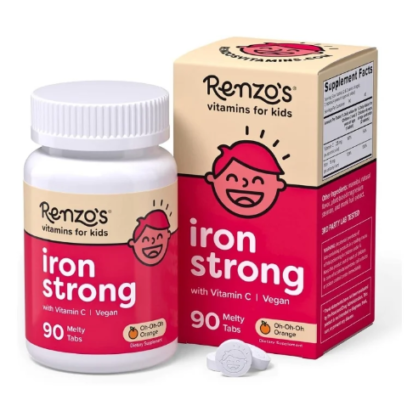
Iron deficiency remains one of the most common nutritional concerns in young children. Signs may include fatigue, poor appetite, irritability, and delayed development.
Zinc Deficiency
Zinc supports growth, wound healing, and immune function. Children with poor dietary variety may not consume enough zinc-rich foods.
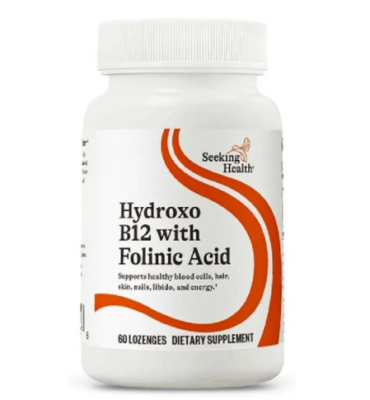
Vitamin B12 Deficiency
Children following vegetarian or vegan diets may require additional vitamin B12 support if dietary intake is inadequate.
Frequently Asked Questions
What are the best vitamins for 1-year-olds in Nigeria?
The best vitamins for 1-year-olds depend on individual nutritional needs. Many toddlers benefit from vitamin D supplementation, while some may require iron supplements or a multivitamin under pediatric supervision.
Does my 1-year-old need a multivitamin?
Most healthy toddlers who consume a balanced diet do not require a daily multivitamin. However, children with restricted diets, picky eating habits, or diagnosed nutrient deficiencies may benefit from supplementation.
What is the recommended vitamin D dose for a toddler?
Children aged 1 to 3 years generally require 600 IU of vitamin D daily. Consult your pediatrician for personalized recommendations.
Are vitamin D drops safe for toddlers?
Yes. Vitamin D drops are generally safe when used according to the manufacturer’s instructions and your healthcare provider’s recommendations.
Can a picky eater become vitamin deficient?
Yes. A toddler who consistently avoids major food groups may develop deficiencies in vitamin D, iron, zinc, or other essential nutrients.
Final Thoughts
Choosing the best vitamins for 1-year-olds is not about giving more supplements. It is about ensuring your toddler receives the nutrients needed for healthy growth and development.
For many children, vitamin D drops for toddlers may be enough to support healthy bones and overall wellness. Others may benefit from an iron supplement for toddlers or a multivitamin for a 1-year-old when recommended by a pediatrician.
If you are looking for the best vitamins for 1-year-olds in Nigeria, focus on age-appropriate products, safe dosing, and professional medical guidance. The combination of a balanced diet and appropriate supplementation can help support your child’s growth, immunity, and long-term health.
This article is for informational purposes only and should not replace professional medical advice. Always consult your pediatrician before starting any new vitamin or supplement for your child.
You can speak to a pharmacist HERE
Medical Disclaimer: This article is for informational purposes only and is not a substitute for professional medical advice. Consult a healthcare provider before starting any new supplement especially if you are pregnant, breastfeeding or managing a health condition.
References
- Centers for Disease Control and Prevention (CDC). Vitamin D | Infant and Toddler Nutrition. Updated April 2026. Available at: CDC Vitamin D for Infants and Toddlers. Accessed June 2026.
- National Institutes of Health (NIH), Office of Dietary Supplements. Vitamin D Fact Sheet for Consumers. Available at: NIH Vitamin D Fact Sheet. Accessed June 2026.
- Centers for Disease Control and Prevention (CDC). Iron | Infant and Toddler Nutrition. Updated April 2026. Available at: CDC Iron for Infants and Toddlers. Accessed June 2026.
- Centers for Disease Control and Prevention (CDC). Micronutrient Facts. Updated March 2025. Available at: CDC Micronutrient Facts. Accessed June 2026.
- Mayo Clinic. Iron Deficiency in Children: Prevention Tips for Parents. Updated February 2024. Available at: Mayo Clinic Iron Deficiency in Children. Accessed June 2026.
- MedlinePlus. Vitamin D. U.S. National Library of Medicine. Available at: MedlinePlus Vitamin D Guide. Accessed June 2026.
