
Uncategorized
Best Vitamins for Kids With Eczema or Allergies in Nigeria (2026 Guide)
Jun
Introduction
If your child has eczema, you have probably already tried different creams, moisturizers, and skincare products in search of relief. While proper skincare remains essential, research suggests that nutrition may also play a role in managing eczema symptoms. Certain vitamin and mineral deficiencies may contribute to dry skin, inflammation, and a weakened skin barrier, which can make eczema worse.
Parents searching for vitamins for kids with eczema often want to know whether supplements can reduce itching, improve skin health, and support the immune system. Although vitamins are not a cure for eczema, some nutrients have shown promising results in supporting healthy skin and reducing the severity of flare ups in children.
This guide explores the best vitamins for kids with eczema, the evidence behind them, and how Nigerian parents can choose safe supplements for children who also have allergies.
What Are the Best Vitamins for Kids With Eczema?
The best vitamins for kids with eczema include vitamin D, zinc, vitamin E, omega 3 fatty acids, and probiotics. These nutrients may help strengthen the skin barrier, support immune health, reduce inflammation, and promote skin repair.
For children with eczema, correcting nutrient deficiencies may help improve overall skin health and reduce the frequency of flare ups. However, supplements work best when used alongside a proper eczema treatment plan that includes moisturizers, trigger management, and medical guidance.
Understanding the Link Between Eczema and Nutrition
Eczema, also known as atopic dermatitis, is one of the most common skin conditions in children. It causes dry, itchy, inflamed skin and can significantly affect sleep, concentration, and quality of life.
Several factors contribute to eczema, including genetics, environmental triggers, immune system activity, and skin barrier dysfunction. Researchers have found that children with eczema are more likely to have lower levels of certain nutrients, particularly vitamin D.
While supplements cannot cure eczema, addressing nutritional deficiencies may help support healthier skin and improve the body’s ability to manage inflammation.
Are Vitamin Deficiencies Common in Nigerian Children With Eczema?
Yes. Some Nigerian children with eczema may have nutrient deficiencies that affect skin health and immune function.
Although Nigeria receives abundant sunlight throughout the year, vitamin D deficiency can still occur. Factors such as darker skin pigmentation, spending more time indoors, limited outdoor activity, and poor dietary intake may reduce vitamin D levels.
Children with eczema may also avoid certain foods because of allergies or food sensitivities. This can increase the risk of deficiencies in zinc, vitamin E, calcium, and omega 3 fatty acids.
If your child experiences frequent eczema flare ups, it may be worthwhile to discuss nutritional testing with a pediatrician.
Best Vitamins for Kids With Eczema and Allergies
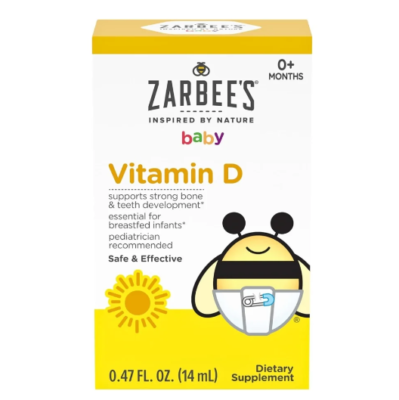
1. Vitamin D
Vitamin D is the most researched nutrient for eczema. Studies have found that children with eczema often have lower vitamin D levels compared to children without eczema.
Vitamin D helps regulate immune responses and supports skin barrier function. Some research suggests that children with eczema who have low vitamin D levels may experience fewer symptoms when deficiencies are corrected.
Good sources of vitamin D include fortified foods, fatty fish, eggs, and appropriate supplements.
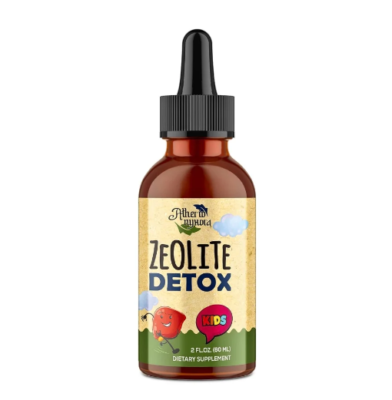
2. Zinc
Zinc is essential for skin repair, wound healing, and immune function. It helps maintain the integrity of the skin barrier and supports the body’s natural healing processes.
Children with restricted diets, food allergies, or poor appetite may not consume enough zinc. This makes zinc one of the most important nutrients to consider when looking for supplements for children with eczema.
Natural food sources include meat, poultry, seafood, beans, and dairy products.
3. Vitamin E
Vitamin E is a powerful antioxidant that supports skin health and helps protect cells from oxidative stress.
Some studies suggest that vitamin E may help reduce itching and support skin hydration. While more research is needed, maintaining adequate vitamin E intake may be beneficial for children with eczema.
Food sources include nuts, seeds, spinach, vegetable oils, and leafy green vegetables
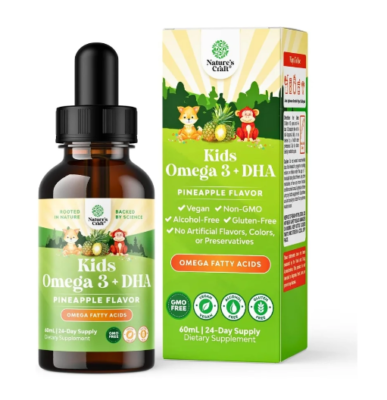
4. Omega 3 Fatty Acids
Omega 3 fatty acids are known for their anti-inflammatory properties. They may help reduce skin inflammation and support overall immune function.
Children who rarely consume fish may benefit from increased omega 3 intake through diet or supplements. Fatty fish such as salmon, sardines, and mackerel are excellent natural sources.
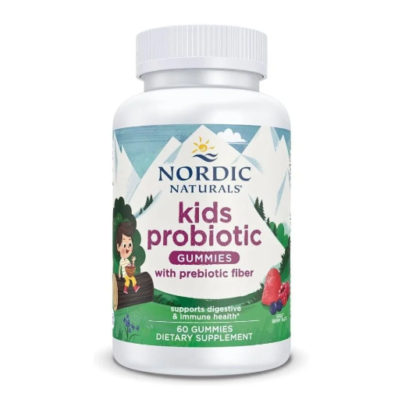
5. Probiotics
Probiotics are beneficial bacteria that support digestive and immune health.
Some studies suggest that specific probiotic strains may help reduce eczema symptoms in certain children. Although research results remain mixed, probiotics are generally considered safe and may provide additional support for children with eczema and allergies.
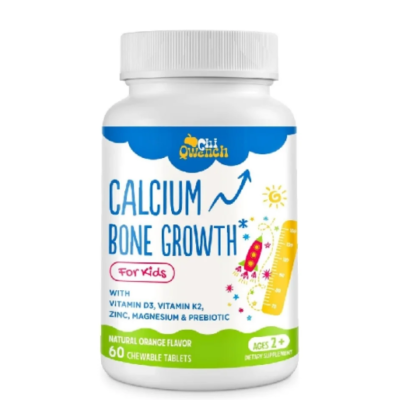
6. Calcium
Calcium becomes especially important when children avoid dairy products because of allergies.
Milk allergies are common among children with eczema, and avoiding dairy may increase the risk of calcium deficiency. Ensuring adequate calcium intake supports healthy growth and development.
Non dairy calcium sources include fortified plant milks, tofu, leafy greens, and certain fish products.
Best Vitamins for Kids With Eczema: Quick Comparison
| Nutrient | Main Benefit | Best For |
| Vitamin D | Supports immune balance and skin barrier health | Children with low vitamin D levels |
| Zinc | Supports skin healing and repair | Dry, damaged skin |
| Vitamin E | Supports skin moisture and antioxidant protection | Itchy skin |
| Omega 3 | Helps reduce inflammation | Frequent eczema flare ups |
| Probiotics | Supports gut and immune health | Allergy prone children |
| Calcium | Supports growth and development | Dairy free children |
What to Be Careful About
Vitamin B6
Vitamin B6 is an essential nutrient, but excessive amounts may not be beneficial.
Some studies have identified associations between very high vitamin B6 levels and increased eczema risk in certain groups of children. While research is still developing, it is wise to avoid megadose supplements and choose products that stay within recommended daily values.
Choosing Allergy Safe Vitamins for Kids
If your child has eczema and food allergies, always check supplement labels carefully.
Look for products that are free from:
- Dairy ingredients
- Soy
- Peanut or tree nut oils
- Gluten
- Artificial dyes and unnecessary additives
Many parents find that liquid vitamins or powders are easier to manage because they often contain fewer ingredients and allergens than gummies.
What the Research Does Not Support
There is currently no single vitamin that can cure eczema.
Vitamin D has the strongest evidence, while zinc, vitamin E, omega 3 fatty acids, and probiotics show promising but less consistent results.
Supplements should never replace prescribed eczema treatments, moisturizers, or medical care.
Frequently Asked Questions
Can vitamin D help eczema in children?
Research suggests that children with low vitamin D levels may experience improved eczema symptoms when deficiencies are corrected. Vitamin D is currently the most researched nutrient for eczema support.
What is the best supplement for child eczema?
Vitamin D is generally considered the most evidence supported option. Zinc, omega 3 fatty acids, vitamin E, and probiotics may also provide benefits depending on the child’s nutritional status.
Are allergy safe multivitamins available for kids?
Yes. Many children’s vitamins are specifically formulated without common allergens such as dairy, soy, gluten, and nuts. Always read labels carefully before purchasing.
Can food allergies make eczema worse?
Yes. Food allergies can trigger eczema flare ups in some children. An allergist can help identify specific triggers through appropriate testing.
Should every child with eczema take supplements?
Not necessarily. Supplements are most useful when they address a confirmed deficiency or nutritional gap. A healthcare professional can help determine whether supplementation is necessary.
The Bottom Line
When choosing vitamins for kids with eczema, focus on nutrients that support skin health and immune function. Vitamin D remains the most researched option, while zinc, vitamin E, omega 3 fatty acids, probiotics, and calcium may provide additional support depending on your child’s needs.
For Nigerian parents looking for the best supplements for child eczema, the goal should be to identify and correct nutritional deficiencies while maintaining a comprehensive eczema management plan.
The best vitamins for kids with eczema are those that safely support overall health, strengthen the skin barrier, and complement professional medical care. Before starting any supplement, consult your child’s pediatrician, dermatologist, or allergist to ensure it is appropriate for their age and health condition.
Medical Disclaimer: This article is for informational purposes only and should not replace professional medical advice. Always consult a qualified healthcare professional before giving supplements to a child.
References
- American Academy of Dermatology Association. (2024). Atopic dermatitis: Overview. https://www.aad.org/public/diseases/eczema/atopic-dermatitis
- National Institute of Allergy and Infectious Diseases (NIAID). (2010). Guidelines for the diagnosis and management of food allergy in the United States. Journal of Allergy and Clinical Immunology, 126(6), S1–S58. https://doi.org/10.1016/j.jaci.2010.10.007
- World Allergy Organization. (2024). Atopic dermatitis (eczema). https://www.worldallergy.org/
- National Eczema Association. (2024). Nutrition and eczema. https://nationaleczema.org/
- Sidbury, R., et al. (2023). Guidelines of care for the management of atopic dermatitis in children and adults. Journal of the American Academy of Dermatology. https://www.jaad.org/
- Bath-Hextall, F., Delamere, F. M., Williams, H. C., et al. (2012). Dietary exclusions for established atopic eczema. Cochrane Database of Systematic Reviews, (2), CD005203. https://doi.org/10.1002/14651858.CD005203.pub3
- Kim, G., Bae, J. H. (2016). Vitamin D and atopic dermatitis: A systematic review and meta-analysis. Nutrition, 32(9), 913–920. https://doi.org/10.1016/j.nut.2016.01.023
- Hattangdi-Haridas, S. R., et al. (2019). Vitamin D deficiency and effects of supplementation in pediatric atopic dermatitis. Pediatric Allergy and Immunology, 30(6), 595–607.
- McCusker, C., & Sidbury, R. (2018). Nutrition and atopic dermatitis. Seminars in Cutaneous Medicine and Surgery, 37(1), 18–23.
- National Institutes of Health Office of Dietary Supplements. (2024). Vitamin D Fact Sheet for Health Professionals. https://ods.od.nih.gov/factsheets/VitaminD-HealthProfessional/
